Surface processing with laser

Surface processing with laser


For changing the surface topology or its properties, the laser enables many applications, such as laser ablation, laser structuring, laser cleaning or laser marking. The decisive advantages over conventional methods are the contactless and forceless effect of the laser radiation as well as the precise energy input. Due to our large number of different laser sources, we at BBW Lasertechnik can respond individually to your customer enquiry for surface processing.


Classification of surface processing with lasers

The different possibilities of surface processing with the laser cannot be classified together as a manufacturing process according to DIN 8580. While laser ablation and structuring remove material from the workpieces, laser cleaning does not process the base material, but merely removes unwanted and foreign material. In the case of laser marking, material is either ablated or not (e.g., in the case of annealing marking), depending on the type of laser marking.

In surface processing, as little or no material as possible should be transferred into the molten state, but directly into a gaseous state. This can be achieved with the rule of thumb "shorter exposure time + higher radiation intensity". Pulsed laser systems with laser pulses in the nanosecond range, or even shorter, are used for this purpose.

Pulse repetition rates in the MHz range are also possible with systems that emit laser pulses in the nanosecond range or even shorter. Best is the shortest possible pulse in the femtosecond range, where there is complete sublimation or vaporisation of the affected zone and no heat conduction. With pulses in the nanosecond range, melting components and heat conduction effects are present, but the surface processing rate is significantly higher with these systems.

Surface processing - Suitable materials


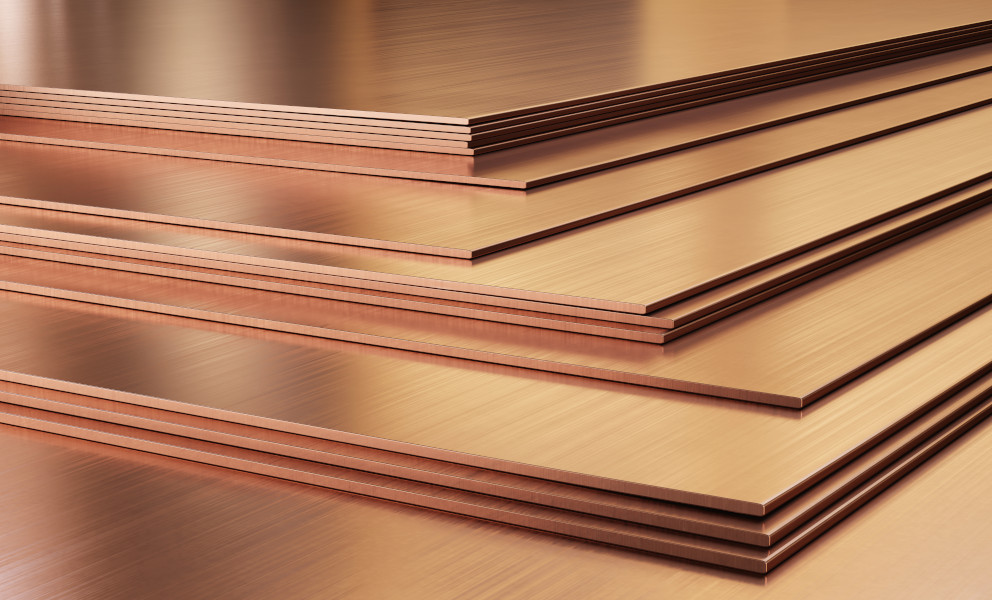
Materials that are surface processed with the laser must be able to absorb energy of the appropriate laser wavelength. This is the case for most non-transparent materials such as metals - e.g. aluminum, copper and stainless steel - certain plastics, but also wood. If an ultra-short pulsed laser system is used for a machining process, the material dependency is completely eliminated due to the occurrence of non-linear effects - even transparent materials such as glass or even ceramics can be processed with it.

Our material stock contains several hundred different materials as standard, which guarantees the shortest possible delivery times. For special materials we cooperate with efficient suppliers and also the provision of materials as raw material or as pre-processed product is implemented in our processes as standard.
 

Applications and products for laser surface treatment

Products

  • Microreactor components

Applications
Our laser surface processing capabilities enable a wide range of applications. Below are a few examples:

  • Defined surface structures to increase joint strength in conjunction with processes such as bonding.
  • Structuring of the surface to optimize tribological properties.
  • Roughening to increase the surface area of components, e.g. to improve performance for battery and fuel cell components.
  • Material removal from hard materials, e.g. from tools.
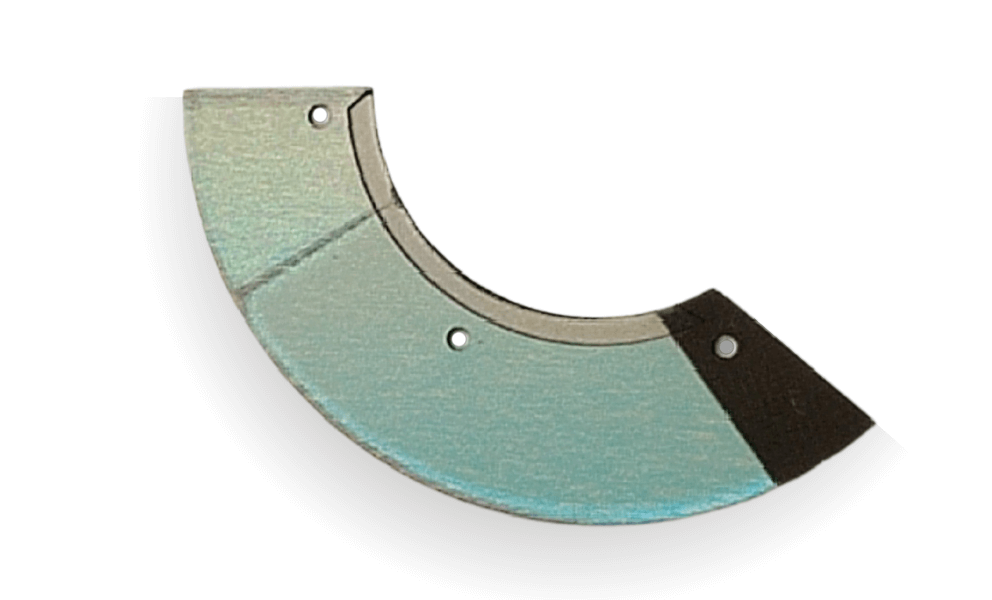
  • Selective decoating of components for joint preparation during welding and bonding.
     

More application examples

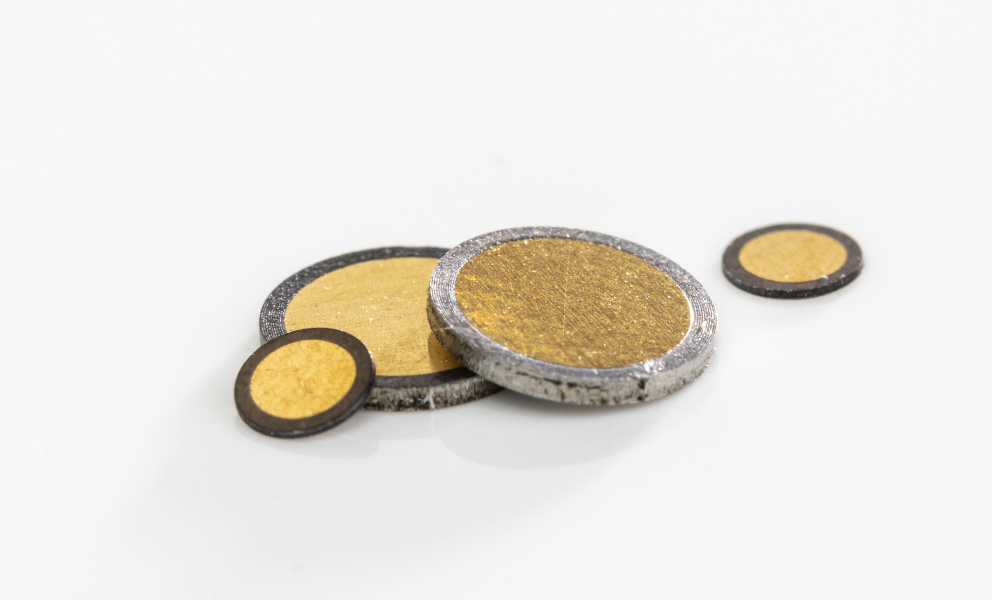
  • Laser ablation of sputter layers
  • Laser marking by black marking
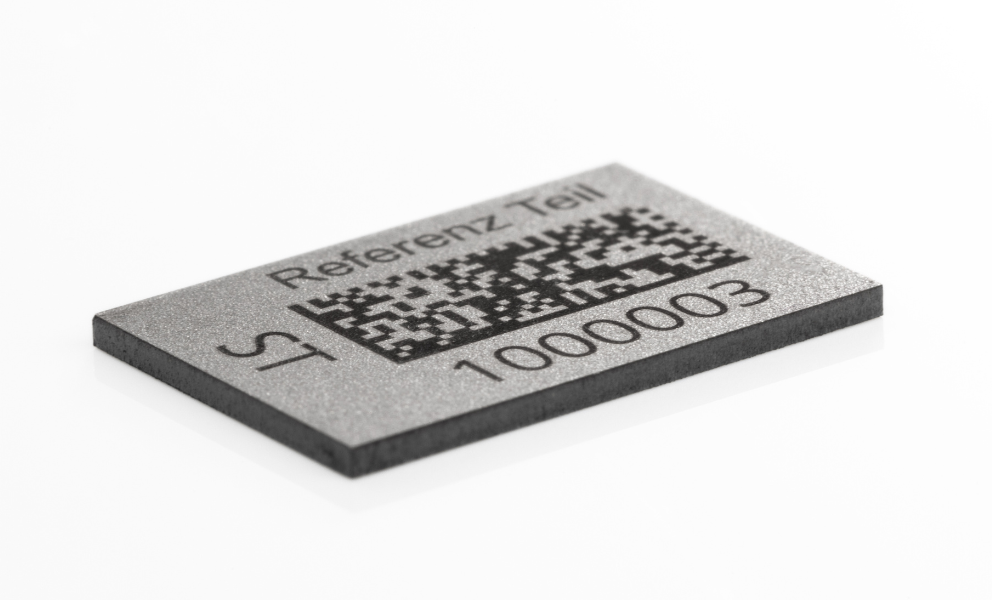
  • Laser marking for general component identification

Do you have questions about laser surface processing? Read our FAQ.

Laser surface processing refers to a series of non-contact laser processes that are used to modify the surface of components in a targeted manner – for example, by ablating, structuring, cleaning or marking – without mechanical contact and with high precision.

BBW Lasertechnik offers various laser-based surface treatment processes, including:


Laser ablation: controlled, non-contact removal of surface material
Laser structuring: creation of defined surface structures
Laser cleaning: removal of contaminants and layers without chemicals
Laser marking: permanent, precise markings and codes
 

Laser surface processing can be used for a wide range of materials, including metals such as stainless steel, aluminium, copper and titanium, as well as engineering plastics and coatings with specific requirements.

Laser ablation involves the controlled removal of material from the surface in order to remove layers, machine contours or specifically influence surface functionality. Typical applications include the removal of fine scale or oxide layers, seamless deburring or the creation of defined surface shapes.

Laser structuring uses a precisely guided laser beam to create defined patterns or functional surface structures. These structures can specifically influence properties such as friction, adhesion, wettability or optical appearance.

A key advantage is the high contrast sharpness of the structures created, even on coated or challenging surfaces. Thanks to the precisely adjustable laser parameters, structuring is also carried out with virtually no thermal impact on the base material, meaning that material properties are retained. The process also offers impressive reproducibility, process stability and the complete absence of tools or chemical additives.

Laser cleaning is used to gently and precisely remove dirt, oil, paint, corrosion layers, oxides or coatings from surfaces. As the process is localised and contactless, workpieces are not subjected to mechanical stress.

Laser marking can be used to permanently and precisely mark text, logos, serial numbers, barcodes or 2D codes on surfaces – without tool wear, chemical additives or mechanical stress on the material.

Laser processes are contactless, wear-free and gentle on materials. They enable high precision, fine structural resolution, reproducible results and the processing of demanding surfaces without additional tools, chemicals or mechanical stress.

Yes. Thanks to precise beam guidance, modern 5-axis machines and individually adapted laser parameters, even hard-to-reach or geometrically complex component areas can be reliably processed by laser.

Laser surface processing is used in many industries, such as medical technology, the automotive industry, aerospace, electronics manufacturing, mechanical engineering and tool manufacturing – wherever surface functionality and high precision are required.

Send your technical drawings and details of the material and processing requirements by email to [email protected] or use our inquiry form. Our team will review your project and prepare a customised quote. 

Upon request, we will agree on a non-disclosure agreement (NDA) in advance.

Do you have any questions? We’re happy to help!
SZ Auszeichnung Krisensicherste Unternehmen 2025