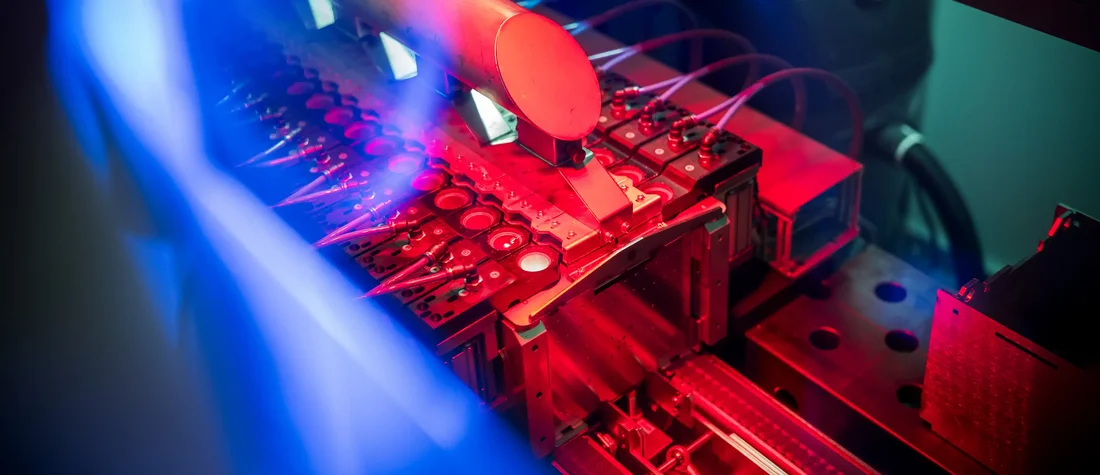
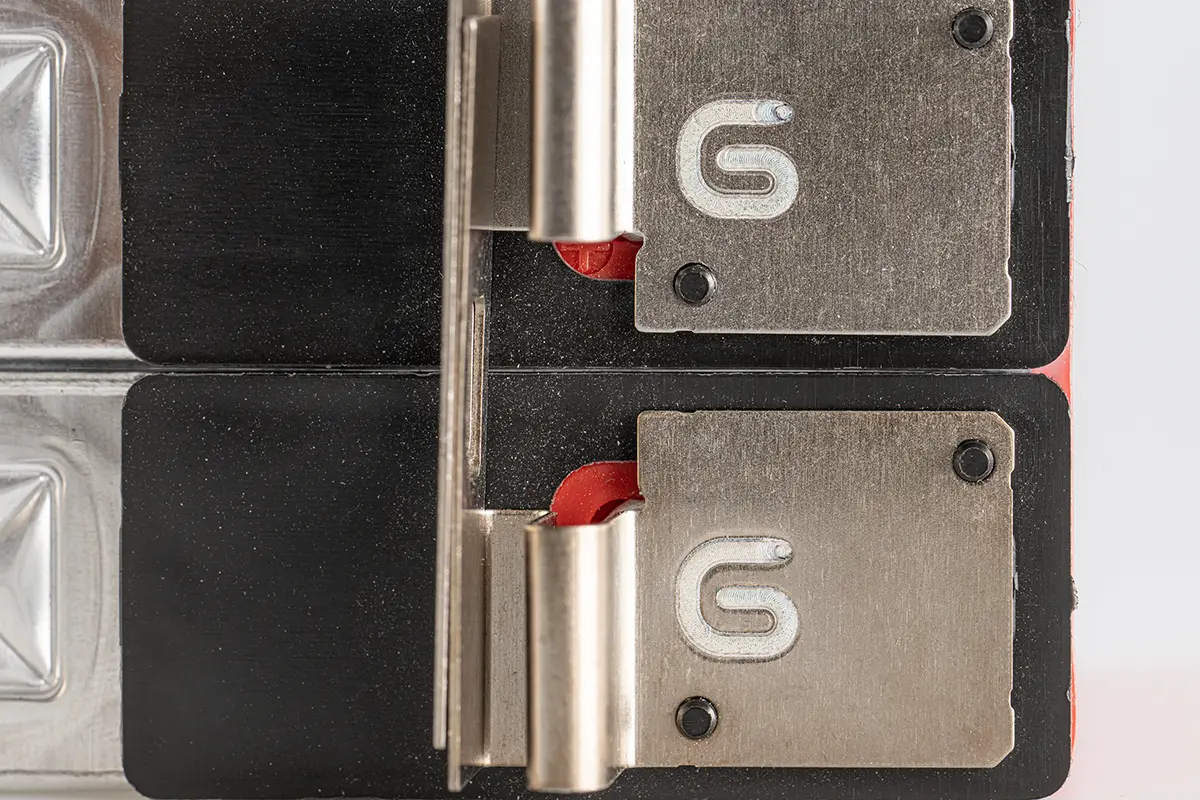
Laser-welded battery modules – from cell contacting to series production

BBW Lasertechnik develops and manufactures laser-based solutions for your battery application – from the first joining task through samples and qualification to the series-ready module or system.

Series production from a single source
  • Laser welding of battery cells
  • Customer-specific module/system concepts
  • Project-specific testing and traceability
  • Production from sample to series

Battery technology from BBW Lasertechnik

Customer-specific battery modules and battery systems have to meet higher demands than simply being able to store electricity: the cell connections must meet high electrical and mechanical requirements, the sensitive cells must be protected during the joining process, and the connections must be produced reliably in high volumes.

In brief

Why is precise laser welding technology recommended for battery manufacturing?

The performance of a battery depends largely on the quality of every single electrical connection. The requirements are low electrical resistance, robust and vibration-resistant connections, minimal heat input to protect the sensitive cell tabs, contactless and highly repeatable processing, and traceability of key parameters such as weld depth. This is why laser welding is the preferred technology for producing cell connections.

Battery production starts with the connection

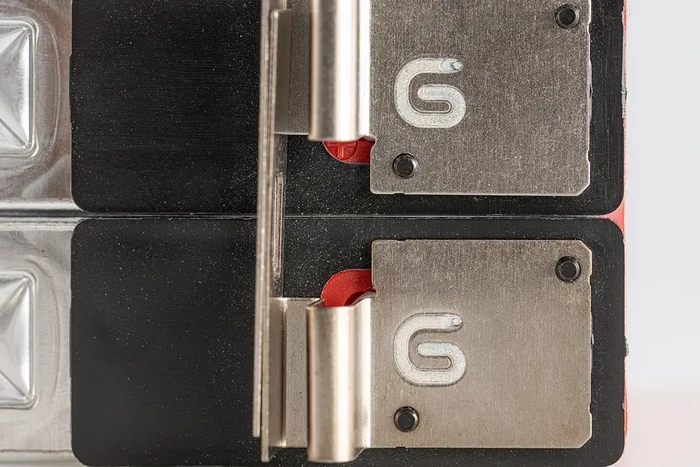
While the connection is being made, the cell must not be subjected to excessive thermal stress. The quality of the connection between a cell tab and a busbar has a significant influence on the performance and efficiency of the battery. The intended current should be transmitted with as little loss as possible, and the connection must withstand the application-specific loads.

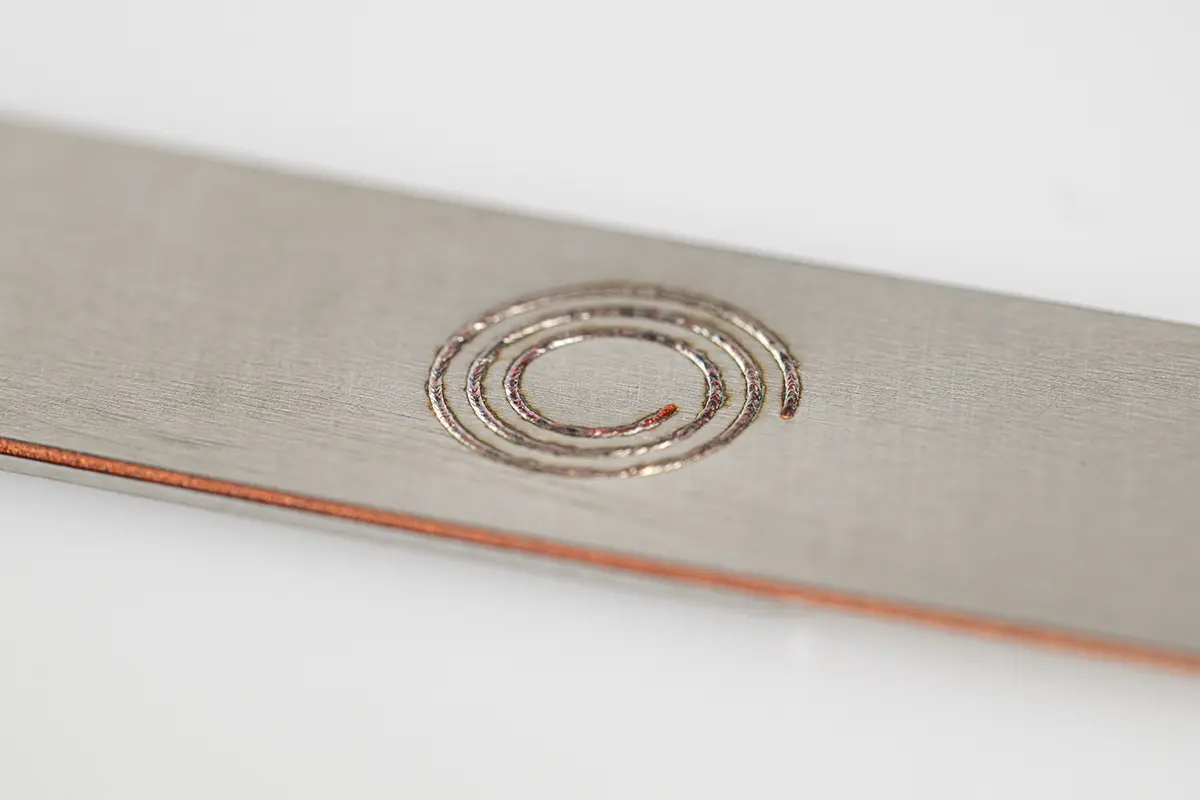
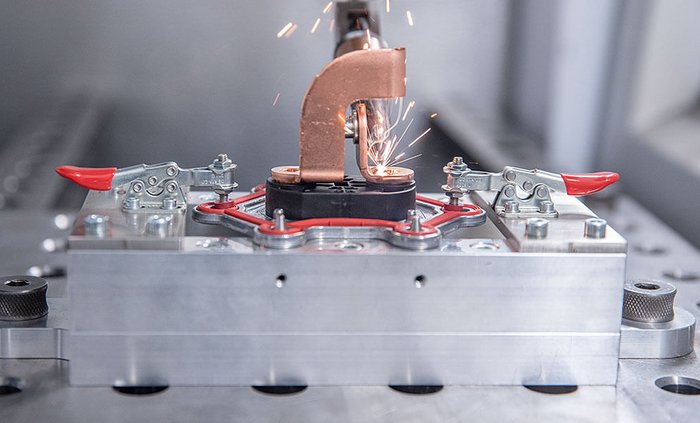
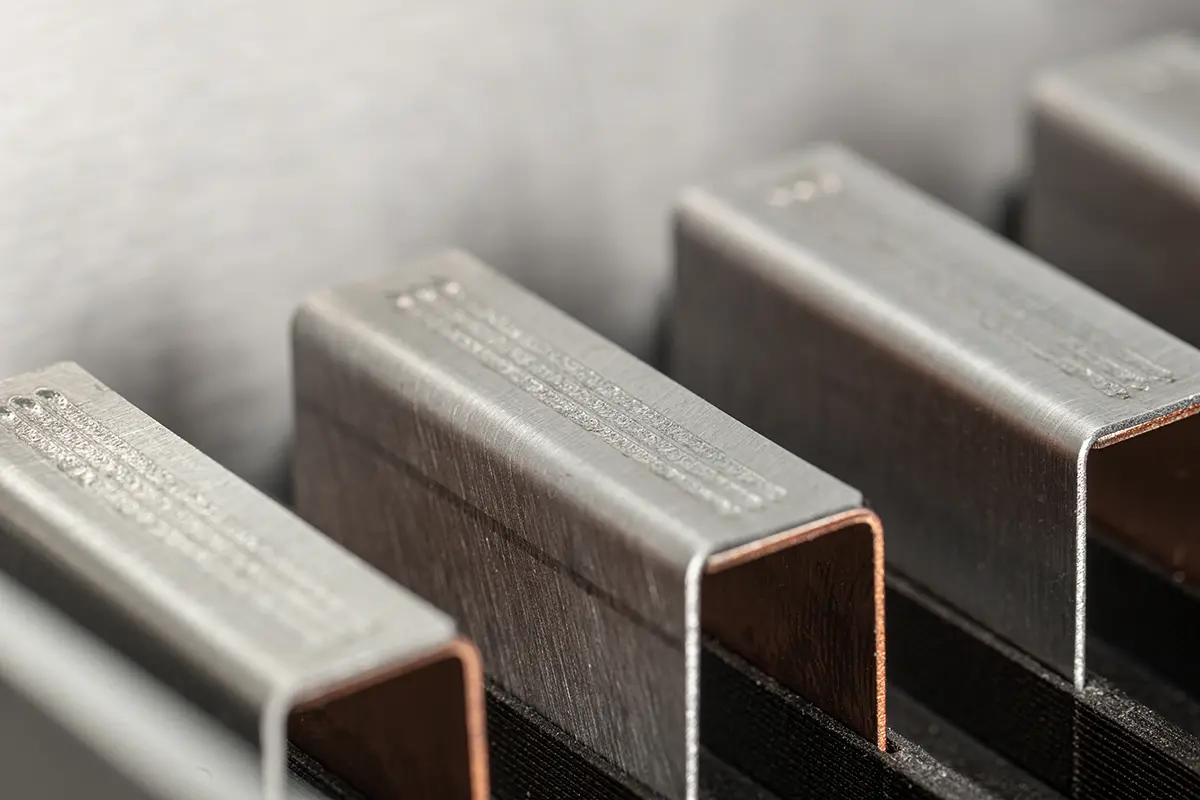
In laser welding of battery cells, we apply the energy precisely at the joint. When developing the process for producing the weld seam, we consider the following parameters: cell format, material combination and coating, contact geometry, surface condition, joint gap and positioning. We determine which solution is suitable for each individual system on the basis of the specific components and requirements.

Copper, aluminium and stainless steel: metals with different properties

Cell terminals and cell connectors are often made of different metallic materials. Their electrical and thermal conductivity is important for the performance of the battery module – and must be taken into account during welding.

Copper conducts heat particularly well and reflects a large proportion of the laser radiation. This impairs the heat input of the laser into the metal. Aluminium also has high thermal conductivity and forms an oxide layer on its surface. This has a negative effect on the welded joint. Laser cleaning of the surface can remedy this. With dissimilar metal joints, the arrangement of the materials and the mixing of the melt additionally influence the properties of the joint.

Process design therefore takes into account materials, layer structure and geometry, among other factors. Beam shaping or a suitable laser wavelength can help to adapt the energy input to the application.

BBW Lasertechnik develops welding processes for different material combinations and tests their suitability for the respective joint.

From individual parts to a customer-specific battery module

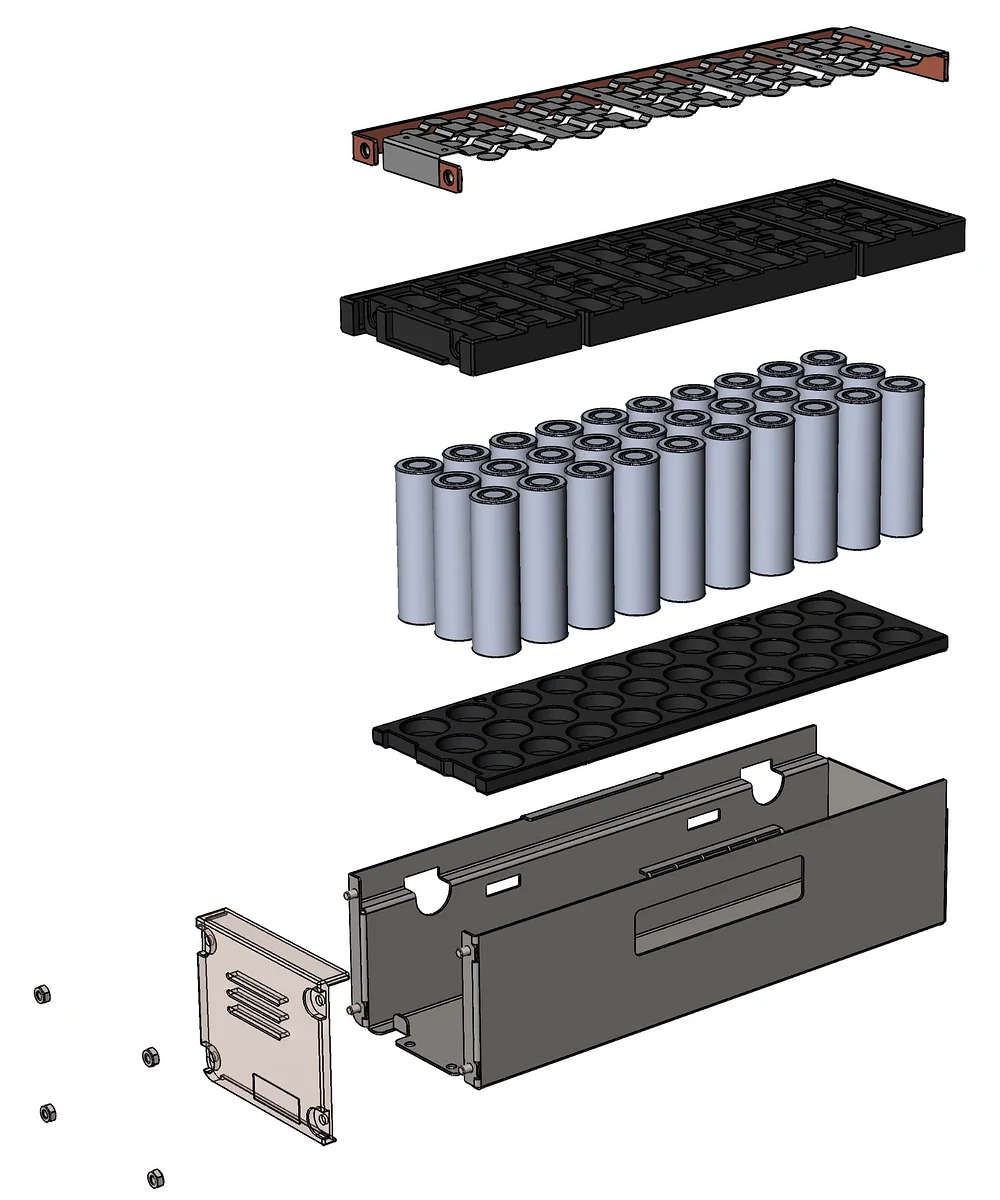
One battery module, many coordinated production steps: the exploded view shows, by way of example, the housing, cell holders, cylindrical cells as well as cell connectors and busbars. BBW can combine the laser-based joining steps with design, component manufacturing, assembly and project-specific testing to form a seamless production process. The degree of automation is defined by the customer's requirements and the required quantities.

  • Testing and data

    Coordinated incoming and final inspections as well as assignment of relevant data for traceability

Exploded view of a cylindrical cell battery module with busbars, cell holders, cylindrical cells and housing
  • Busbars and cell connectors

    Design and production matched to current routing and contact geometry

  • Cell contacting

    Welding process development, laser welding and suitable process monitoring

  • Cells and surfaces

    Verification of the prerequisites; cleaning of the contact surfaces where required

  • Cell holders and insulation

    Integration into the module concept in terms of design and manufacturing

  • Housing

    Application-specific sheet metal processing, laser welding and assembly

Before welding: preparing contact surfaces in a targeted way

The quality of a welded joint begins before the actual joining process. Contamination or oxide layers on the cell terminal and connector can influence how the materials react with each other during welding.

Suitable surface preparation creates defined initial conditions. Depending on the component and the requirements, chemical cleaning or laser cleaning, for example, can be considered.

In laser cleaning, the surface is processed without contact. The process must be matched to the material and the cell design so that the contact surface is prepared without putting unnecessary stress on sensitive areas.

BBW Lasertechnik takes surface preparation into account as early as the development of the manufacturing process – as one building block for reproducible welded joints.

Monitoring weld penetration depth, securing cell contacts

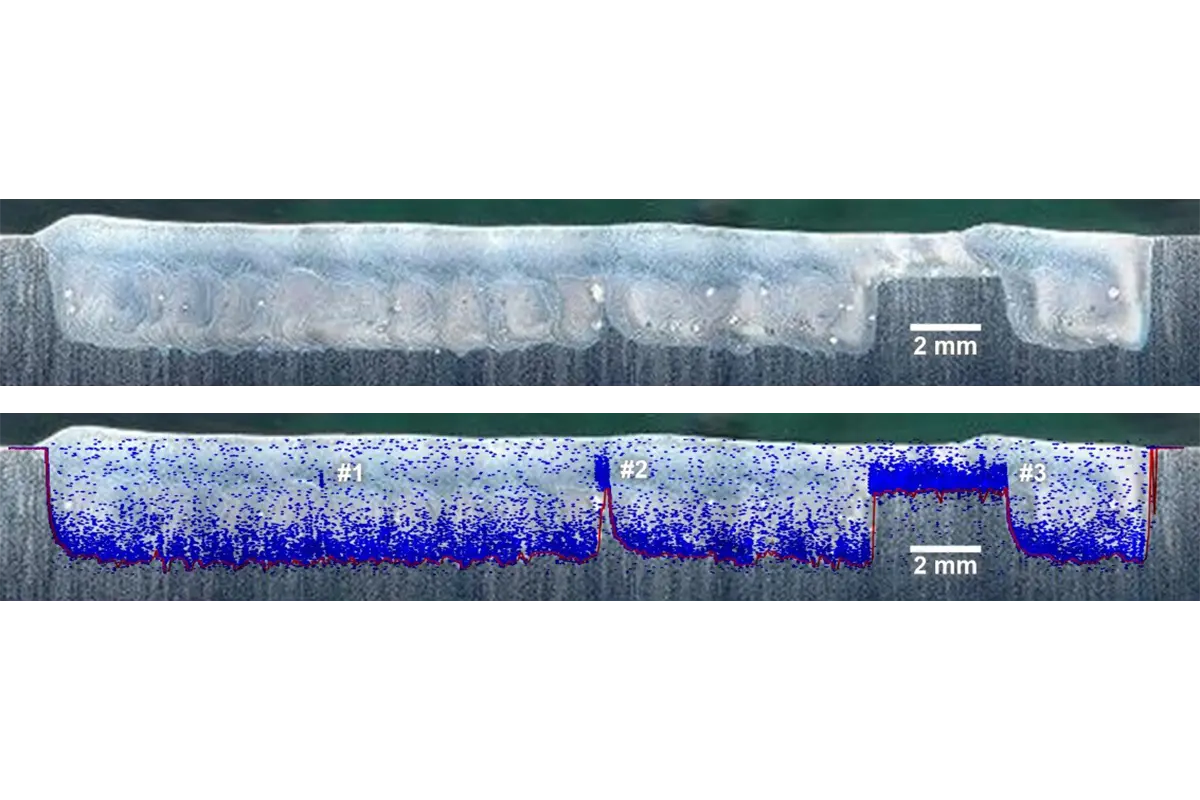
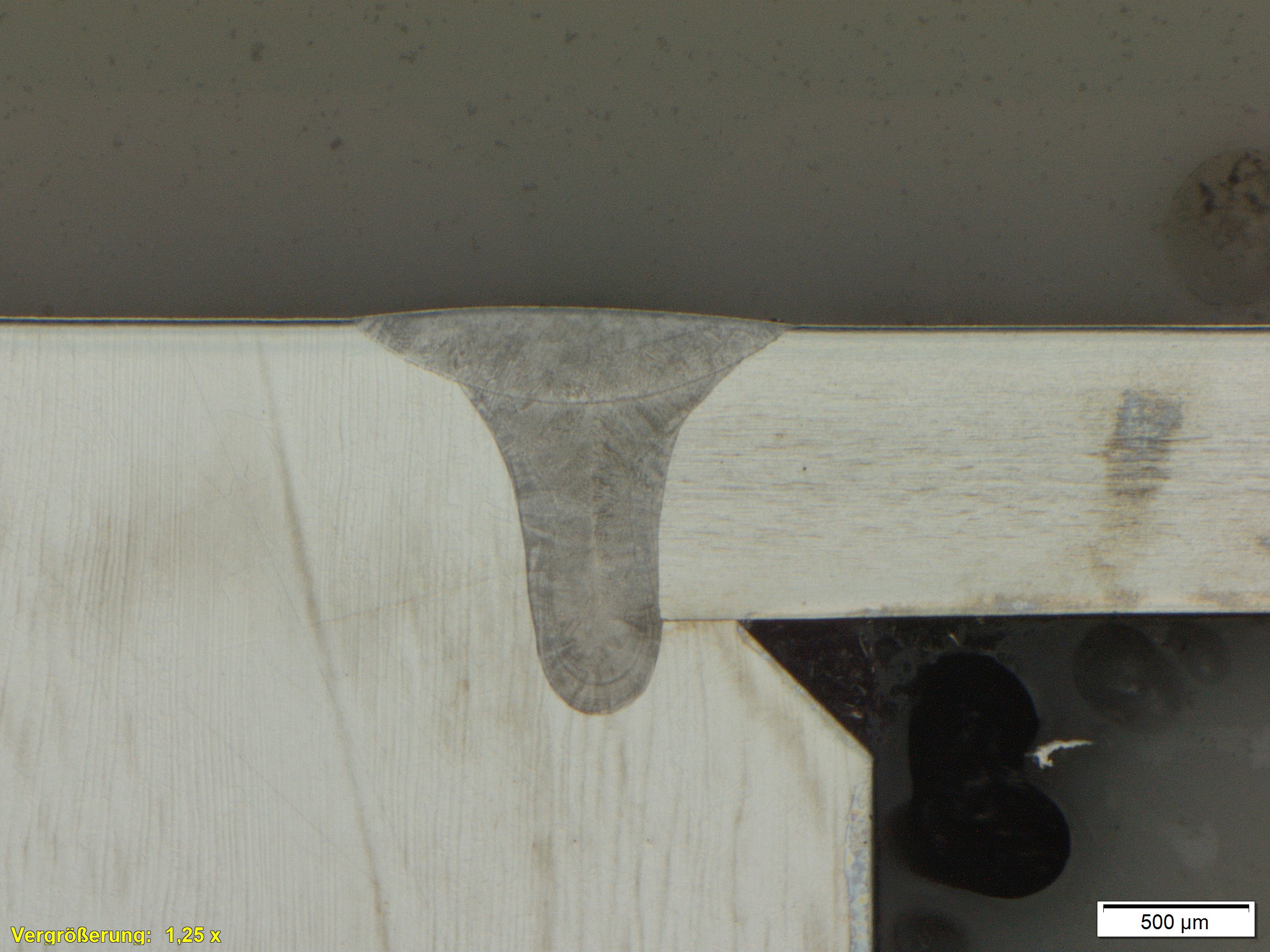
When a cell connector is welded, the joint must be sufficiently formed, i.e. the bonding area and the weld penetration depth must meet the performance requirements. At the same time, the weld penetration depth must not endanger sensitive areas of the cell terminal.

Optical coherence tomography, or OCT for short, offers one way of monitoring this. This optical measuring method can capture information on the weld penetration depth during welding. Measured values can thus be compared with defined process limits and stored for documentation.

Other optical methods examine, for example, the process light emitted by the vapour during welding or the seam surface after joining. Which combination makes sense depends on the application and the required test characteristics.

BBW Lasertechnik integrates suitable monitoring methods into battery production on a customer-specific basis. They complement process development and further quality inspections – but do not replace them across the board.

CELL FORMATS

Different cell formats and joining tasks

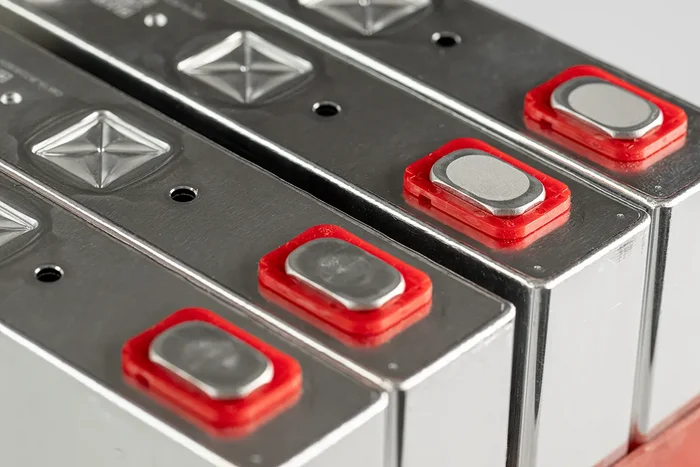
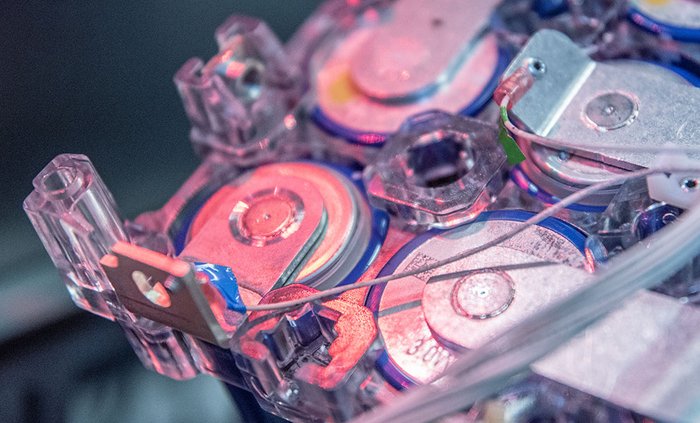
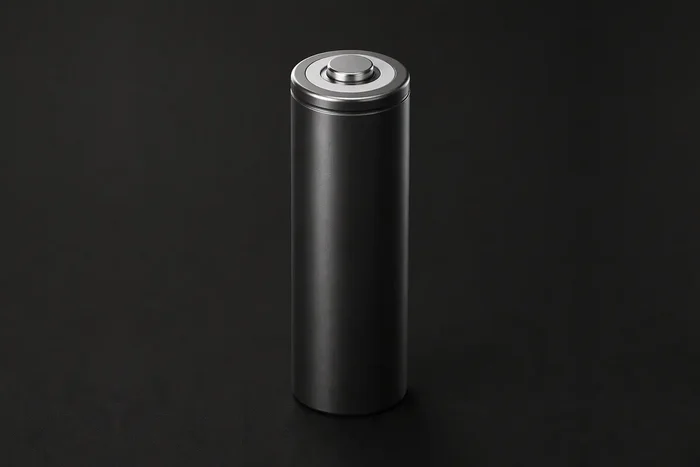
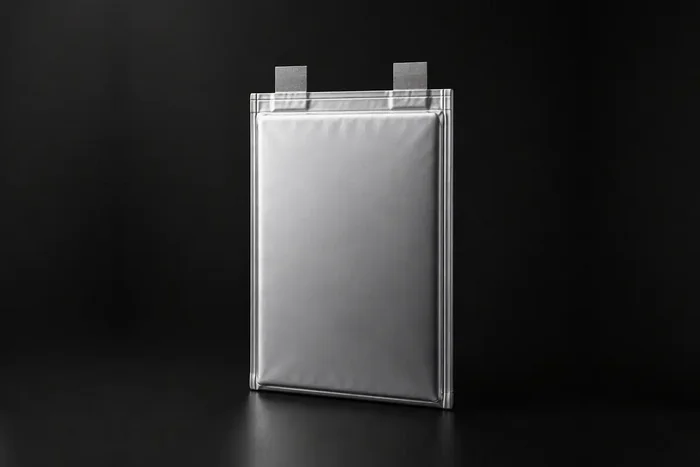
BBW works on battery modules with prismatic, cylindrical and pouch cells. These are the methods we use for joining:

Prismatic cellPrismatic cellChemical cleaning or laser cleaning · Overlap welding with the laser beam · Beam shaping · Zero-defect tolerance through inline process monitoring · 100 % traceability of every welded joint
Cylindrical cellCylindrical cellOverlap welding with the laser beam · Welding with low penetration depth to avoid intermetallic phases or cell damage · Minimal heat-affected zone · Inline process monitoring, e.g. using OCT
Pouch cellPouch cellOverlap welding with the laser beam · Welding with low penetration depth to avoid intermetallic phases · Minimal heat-affected zone · Inline process monitoring, e.g. using OCT
JOINING TASKS

Joining tasks in the battery module

Joining taskWhat matters
Cell–cell connector / cell–busbar (connectors made of different materials)Defined positioning of the joining partners, controlled weld penetration depth and electrical contact quality; consideration of material pairing and coating, and avoidance of brittle phase formation
Housing and module componentsMonitoring of component position, joint gap and mechanical requirements and, where applicable, leak testing
Voltage taps and other contactsReliable positioning and determination of a connection suited to the measuring or control function

By developing customer-specific module and system manufacturing processes and combining laser welding with automated assembly and scalable series production, we create flexible manufacturing solutions with reliable and precise processes, a consistent commitment to defect prevention and cost-effective implementation. Whether prismatic, cylindrical or pouch cells: we tailor design and production to your battery module – as one partner, from development to series production.

What laser precision enables for battery cells and battery modules

  • Targeted energy input: The weld zone can be designed for the contact point; the thermal impact on the cell is minimised.
  • Contactless processing: The laser does not introduce any mechanical joining force into the contact point via a welding tool.
  • Adaptable weld geometries: Processing can be adapted and optimised for different cell formats, connectors and installation space situations.
  • Reproducible manufacturing sequences: With suitable fixtures and appropriate process monitoring, a qualified process can be transferred to manual, partially automated or fully automated production.
  • High testability: Depending on the project, process signals, weld seam surface, cross-sections and electrical or functional tests can together provide a reliable picture of the joint quality.

The application is decisive: we adapt and optimise the laser welding process for every material pairing and every component design. We determine the achievable properties and suitable means of verification in trials and on the basis of the agreed requirements. For series release, the test results are discussed with the customer.

Quality is created before, during and after welding

A visually uniform seam alone does not prove that a battery connection meets all requirements. That is why we define the quality characteristics on a project-specific basis: for example weld seam geometry, weld penetration depth, electrical properties and mechanical strength.

Before the production process, we check component condition and positioning, among other things. During welding, suitable process monitoring methods can be used; for corresponding applications, OCT, for example, can be considered for assessing the weld penetration depth. After the welded joint has been produced, visual, metallographic, electrical or functional tests can follow. Scope, limit values, documentation and traceability are agreed for each project.

You can find out more about our test methods and our understanding of quality under Quality, Quality assurance and Metallography.

Our quality management is certified to ISO 9001:2015.

The advantages at a glance

Strengthening your core businessWe take over industrialisation and series production for you. You can focus on product development and sales.
Close collaboration with usYou have a fixed point of contact at every stage. Transparent communication in all process steps – from the initial idea to industrialisation and delivery.
Long-term partnershipReliable strategic planning and sustainable competitive advantage.
Advanced laser solutionsBenefit from the latest laser technology. You do not need to invest in your own laser systems, machinery and automation solutions.
Large machine parkFlexibility for time-critical projects, redundancy even for large series, and availability of newly created production space at our Edling site.
Risk reductionConsistent quality along the entire value chain and on-time delivery.
APPLICATIONS

Fields of application for laser-welded battery modules

BBW Lasertechnik is a trusted manufacturing partner for demanding industrial applications.

RoboticsAdvanced battery solutions for automated and intelligent systems
Material handlingDurable products for efficient logistics and industrial equipment
Power toolsReliable series production for demanding mobile applications
CASE STUDIES

Battery projects in practice

We have already successfully realised numerous battery projects for our industrial customers. Here are three examples from our production.

Laser-welded battery module for forklift trucksMaterial handling

Battery modules for forklift trucks

For customers in the material handling sector, we realise mobile battery storage units that are tailored precisely to the respective requirements. For this purpose, we have set up a partially automated line that covers all steps: from laser cutting and bending of the sheet metal components, through pre-assembly of the cell connectors, to the precise welding of the housings and of the cells to the cell connector to form a complete battery module.

State-of-the-art laser welding technology with weld penetration depth measurement and visual camera inspection is used. Continuous online process monitoring ensures that every process step is fully documented and verified. Finally, every assembly undergoes a 100 % voltage test. This is how we ensure maximum safety and uncompromising quality in mobile series use at our customer's site.

100 % voltage test of every assembly for mobile series use
Volume
200,000 units/year
Scope of services
Laser welding, laser cutting, sheet metal processing
Testing
100 % inspection and traceability, online process monitoring of weld penetration depth, visual inspections with high-performance cameras
Special features
Dedicated, partially automated production line; robust weld seams for mobile use under varying climatic conditions

Laser-welded batteries for public transportPublic transport

Long-life batteries in electric vehicles

High-quality, safe welded connections on battery cells as well as solid and durable system housings are basic requirements for use in public transport.

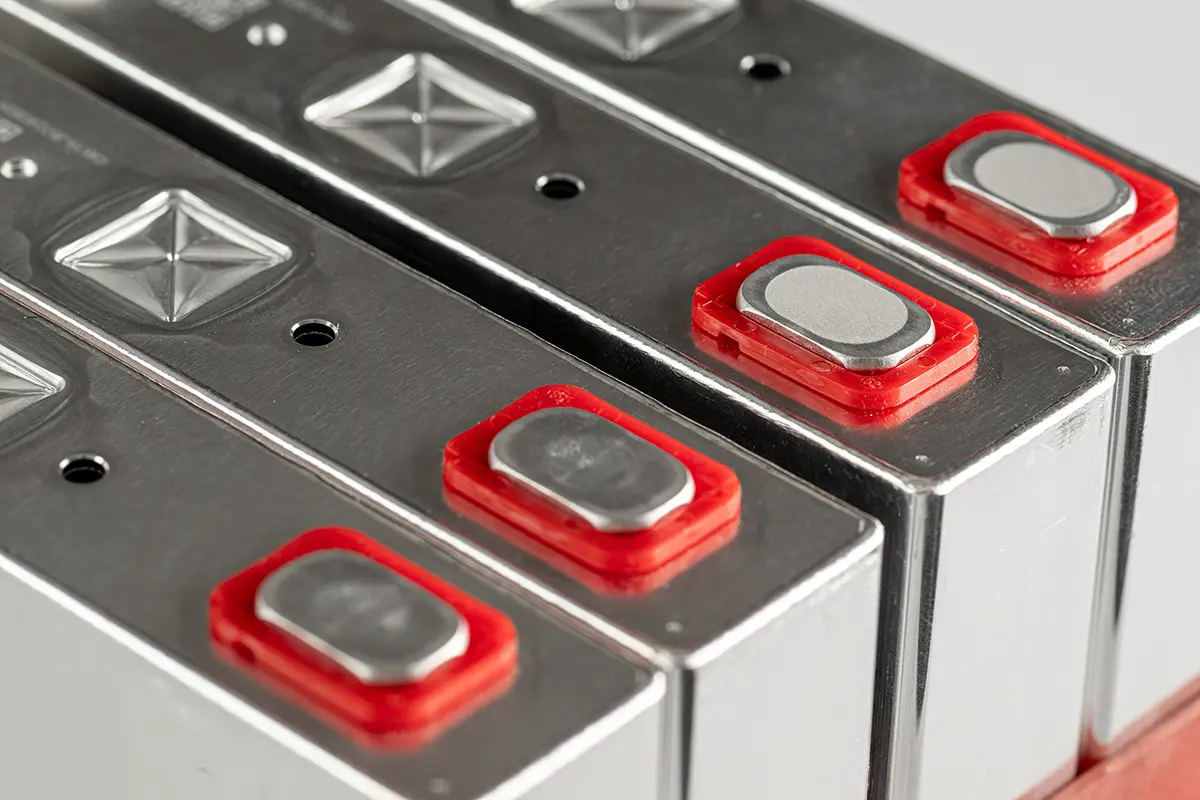
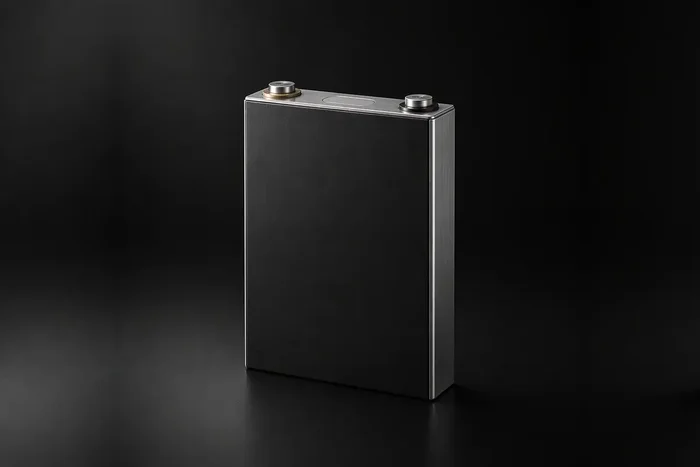
In this example, prismatic LTO cells are processed. First, the surfaces of the terminals are laser-cleaned – corrosion and contamination are removed. This ensures a defined, precise and high-quality connection during welding. The weld geometry and the monitoring of the weld penetration depth of the laser beam into the cell terminal are also critical here.

After the current collectors have been contacted, the cells are combined into assemblies on our partially automated line, and the electronics are then integrated.

Long-life batteries for electric buses, trams and commuter trains
Volume
More than 10,000 units/year
Cell type
Prismatic LTO cells
Scope of services
Laser cleaning, laser welding, precision cutting; partially automated module and system production
Challenges
Minimal heat input during welding so as not to damage sensitive plastic insulation layers at the terminals; inline monitoring of the laser weld penetration depth and 100 % traceability
Eingesetzte VerfahrenErgänzende Leistungen
Laser-welded pouch cell module for aerospaceAviation

Pouch cell module for aerospace

For electric aircraft, we manufacture assemblies based on pouch cells under high requirements for safety, quality and process stability. Already during the development phase, we support the customer with design adjustments for a weld-friendly and production-friendly layout.

Production comprises laser cutting and sheet metal processing of the components, followed by pre-assembly, laser welding and final assembly. By using several welding fixtures, we achieve short cycle times and stable series production. Continuous process monitoring and comprehensive quality inspections ensure the necessary traceability of all process steps.

The project focuses in particular on the rapid development and qualification of the processes within a few months and on the safe implementation of the multi-stage assembly sequence.

Processes developed and qualified within a few months
Volume
> 100 modules within a few months
Scope of services
Support with the design of a weldable layout; laser cutting, sheet metal processing; pre-assembly, laser welding, final assembly
Testing
100 % quality inspections and online process monitoring
Special features
Rapid implementation of process development and qualification; laser welding with several welding fixtures

From technical inquiry to series production of battery modules

From idea to series production

Clarify requirementsBased on the required cell type, we clarify materials, coatings, connection function, installation space, test requirements, planned quantities and target dates.
Assess feasibilityWe check for critical connections, the accessibility of the weld points (e.g. with thin materials) and any requirements regarding design, surfaces or assembly sequence.
Run trials and produce samplesThe welding process, fixture and test characteristics are developed and evaluated on sample parts. Development and sample phases are agreed as defined project services.
Industrialise the processAfter technical approval, we align the production sequence, automation, monitoring, testing and documentation with the planned series production.
Manufacture modules on a recurring basisBBW takes on the agreed manufacturing scope – from cell contacting to further assembly and final testing – with clear responsibilities for product and process.

Frequently asked questions about laser-welded battery modules

Laser welding enables localized energy input, flexible welding geometries, and processes that are easily automated without mechanical contact at the weld site. This can be particularly advantageous for frequently repeated cell connections and sensitive components. Compared to resistance welding, ultrasonic welding, or other methods, laser welding is the better solution in most cases.

A properly designed and tested welding process can help ensure durable, reliable electrical connections and limit heat input to sensitive cells. However, good welds alone are not enough to ensure the safety of the entire battery module: cell quality, insulation, design, monitoring, assembly, and final inspection must all work together. That is why we define the relevant tests for each project.

Not every contact geometry is easily accessible to the laser. Large or varying joint gaps, contaminated surfaces, reflective materials, and challenging mixed-material joints may require additional process steps or design modifications. Furthermore, heat input and penetration depth must be limited to prevent damage to the cell. We therefore verify technical suitability for the specific joint through our comprehensive process development.

Particular challenges include achieving repeatable contact positioning, ensuring a defined surface condition, mastering various material combinations, and striking a balance between a sufficiently strong joint and limited heat input. Added to this is the question of how the required quality is to be detected, tested, and documented during mass production. The welding process, fixture, and inspection strategy should therefore be developed in tandem.

Yes. We support battery projects from the testing and prototyping phases through to routine production. The appropriate level of manufacturing and testing effort depends on the project’s maturity, requirements, and a clear path to series production.

We require drawings or 3D data, cell type and cell format, materials and coatings for the contacts, electrical and mechanical requirements, projected annual volumes, the desired scope of testing and documentation, and the target timeline. If not everything has been finalized yet, please feel free to list the outstanding issues—they can be part of our joint feasibility assessment.

From prototypes to small and medium series up to large-scale volumes exceeding 200,000 battery packs per year—our scalable level of automation makes us flexible. Production takes place at our Prutting site and our new facility in Edling, Bavaria, with seamless integration of all process steps.

Efficient laser processes with minimal material consumption, local production in Germany with short supply chains, durable welded joints, and design support for repair- and recycling-friendly products all contribute to a sustainable value chain.

Start your battery project with us – non-binding and uncomplicated

Do you have an idea or a concrete project that you would like to realise? Contact us for a non-binding inquiry.

Our team will carefully review your requirements and develop a suitable solution together with you – individual, efficient and reliable. Start the dialogue with us and let us realise your project together.

How your technical inquiry with BBW works

Request your battery project

On request, we handle confidential projects under a prior non-disclosure agreement (NDA).

Do you have any questions? We’re happy to help!
SZ Auszeichnung Krisensicherste Unternehmen 2025